Flood Debris Removal in Houston
Need flood debris removal in Houston? Wet drywall, carpet, insulation and damaged belongings need a safe removal and disposal plan after a flood.
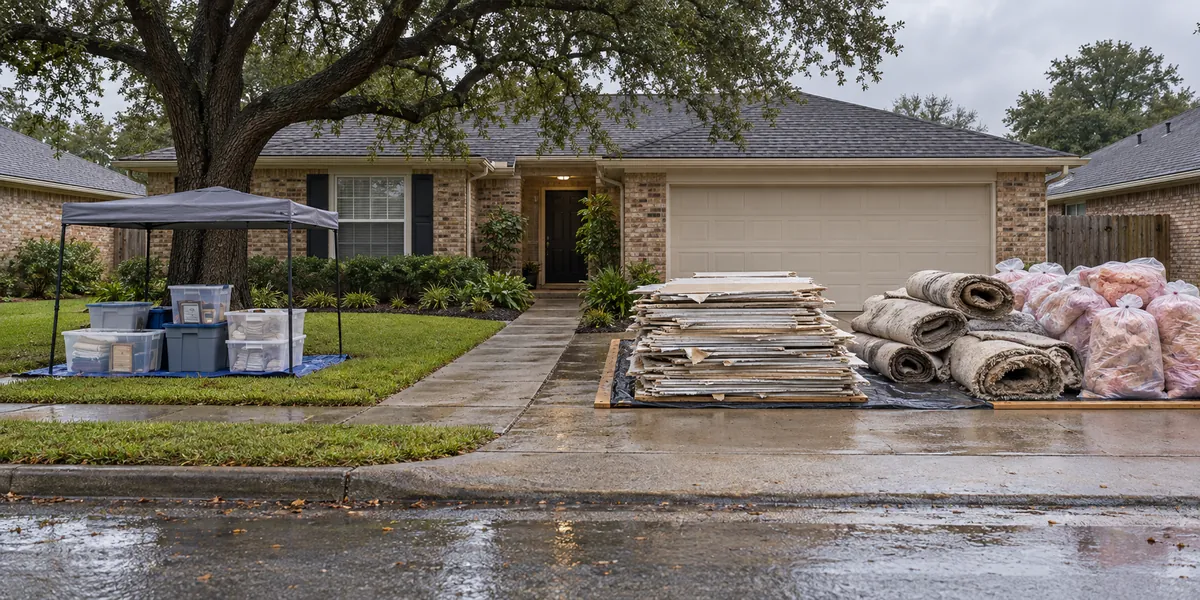
What flood debris removal can include
1. List authorized removal items and salvage decisions
The first decision is the affected boundary: identify the water source, access and material condition before assuming the visible damage tells the whole story.
2. Separate construction debris, contents and restricted materials
Confirm what can be retained, what needs removal and how the work will be separated from clean areas. The agreed scope should identify these decisions.
3. Protect the loading route and confirm a suitable disposal destination
Match the method to the surface and contamination. Agree on access, specialist involvement and any follow-up checks needed.
Before work starts
Wet drywall, carpet, insulation and damaged belongings need a safe removal and disposal plan after a flood.
Agree on the accessible areas, material decisions and exclusions before work proceeds. No. Paint, chemicals, batteries, electronics, pressurized containers and suspect hazardous materials may require separate handling. Confirm exclusions before loading.
- Keep people and pets away from affected water and unstable materials.
- Do not enter standing water to reach a switch, outlet or appliance.
- Only stop the source if you can do so safely from a dry location.
- Keep photographs and an item list where it is safe to document conditions.
Houston access and drying conditions
Houston losses can involve slab floors, raised homes, attic equipment or shared building systems. The property type changes access and the route water follows. A high-rise job may need building-management permission and portable equipment; an attic leak may need a safe ceiling and insulation assessment.
Outdoor humidity and the materials involved affect drying conditions. Completion should follow suitable material readings and the agreed scope, rather than a calendar promise.
What affects flood debris removal costs in Houston?
These are broad national budgeting ranges, not local advertised rates or a firm price. The actual scope and price depend on an on-site assessment. A small, accessible loss differs from a contaminated, multi-room event.
| Work | Estimated range | What to allow for |
|---|---|---|
| Contaminated-water mitigation | $7–$15 per affected sq. ft. | Planning range for cleanup; disposal, access and removal can change the total. |
| Reconstruction | Separately scoped | New drywall, floors, paint, roofing and source repairs are outside mitigation. |
For this work, the main variables are load volume, stairs, carry distance, contamination and restricted items.
Confirm extraction, removal, equipment duration, cleaning, disposal and any specialist work as separate line items. Changes to the agreed scope should be discussed before additional work proceeds.
Flood Debris Removal questions
Is every item accepted in an ordinary debris load?
No. Paint, chemicals, batteries, electronics, pressurized containers and suspect hazardous materials may require separate handling. Confirm exclusions before loading.
What is separate from this work?
Repairs to plumbing, roofing, HVAC, electrical systems and finishes are separate unless specifically included in a written project agreement. Mitigation does not automatically include reconstruction.
How is the price confirmed?
Discuss the affected area, water source, access and required work. Broad website ranges are for planning; project pricing follows assessment and the agreed scope.
How soon can the work start in Houston?
Call with the exact address to confirm current availability and safe access. An ETA is discussed during the call; severe weather or site restrictions can delay access.
Flood Debris Removal by neighborhood
Flood Debris Removal in Houston? Call to discuss the work.
Tell us the address, water source and affected rooms. Confirm current availability, access and the next step during the call.
Call (713) 325-6192