Dehumidification in Houston
Need dehumidification in Houston? Removing moisture from air supports drying when water remains in floors, walls and other assemblies.
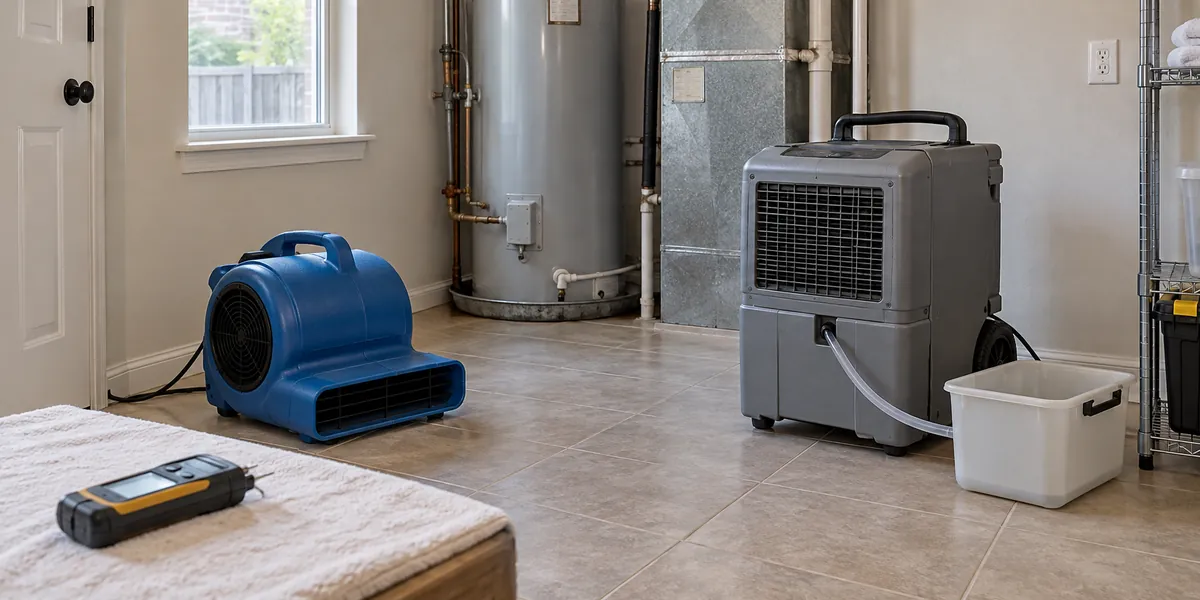
What dehumidification can include
1. Measure initial indoor and material conditions
The first decision is the affected boundary: identify the water source, access and material condition before assuming the visible damage tells the whole story.
2. Select a contained drying area and equipment plan
Confirm what can be retained, what needs removal and how the work will be separated from clean areas. The agreed scope should identify these decisions.
3. Adjust the setup using follow-up readings
Match the method to the surface and contamination. Agree on access, specialist involvement and any follow-up checks needed.
Before work starts
Removing moisture from air supports drying when water remains in floors, walls and other assemblies.
Agree on the accessible areas, material decisions and exclusions before work proceeds. No. Air readings and material readings answer different questions. Both may be needed to document progress.
- Keep people and pets away from affected water and unstable materials.
- Do not enter standing water to reach a switch, outlet or appliance.
- Only stop the source if you can do so safely from a dry location.
- Keep photographs and an item list where it is safe to document conditions.
Houston access and drying conditions
Houston losses can involve slab floors, raised homes, attic equipment or shared building systems. The property type changes access and the route water follows. A high-rise job may need building-management permission and portable equipment; an attic leak may need a safe ceiling and insulation assessment.
Outdoor humidity and the materials involved affect drying conditions. Completion should follow suitable material readings and the agreed scope, rather than a calendar promise.
What affects dehumidification costs in Houston?
These are broad national budgeting ranges, not local advertised rates or a firm price. The actual scope and price depend on an on-site assessment. A small, accessible loss differs from a contaminated, multi-room event.
| Work | Estimated range | What to allow for |
|---|---|---|
| Water mitigation and drying | $1,400–$6,400 | Broad national residential planning range, not a price for a specific room or property. |
| Limited clean-water loss | $350–$1,700 | A smaller loss may cost less; hidden damage, removal or specialist work can take the total above this range. |
For this work, the main variables are room volume, material load, electrical access and equipment duration.
Confirm extraction, removal, equipment duration, cleaning, disposal and any specialist work as separate line items. Changes to the agreed scope should be discussed before additional work proceeds.
Dehumidification questions
Does a low humidity reading prove the walls are dry?
No. Air readings and material readings answer different questions. Both may be needed to document progress.
What is separate from this work?
Repairs to plumbing, roofing, HVAC, electrical systems and finishes are separate unless specifically included in a written project agreement. Mitigation does not automatically include reconstruction.
How is the price confirmed?
Discuss the affected area, water source, access and required work. Broad website ranges are for planning; project pricing follows assessment and the agreed scope.
How soon can the work start in Houston?
Call with the exact address to confirm current availability and safe access. An ETA is discussed during the call; severe weather or site restrictions can delay access.
Dehumidification in Houston? Call to discuss the work.
Tell us the address, water source and affected rooms. Confirm current availability, access and the next step during the call.
Call (713) 325-6192